


When it comes to trucking, few jobs demand as much skill and attention to detail as driving a flatbed. Unlike hauling freight in a closed trailer, flatbed CDL drivers face unique challenges every time they hit the road — from securing heavy loads to handling unpredictable weather. One small mistake can put both the driver and the cargo at risk.
That’s why safety isn’t just another box to check — it’s the backbone of a successful career in flatbed trucking. In this post, we’ll cover essential safety tips every flatbed CDL driver should know, whether you’re new to the industry or have years of experience under your belt. You’ll walk away with practical, real-world advice you can apply on the job to stay safe, protect your cargo, and build trust with every customer you serve.
Understanding the Unique Risks of Flatbed Trucking
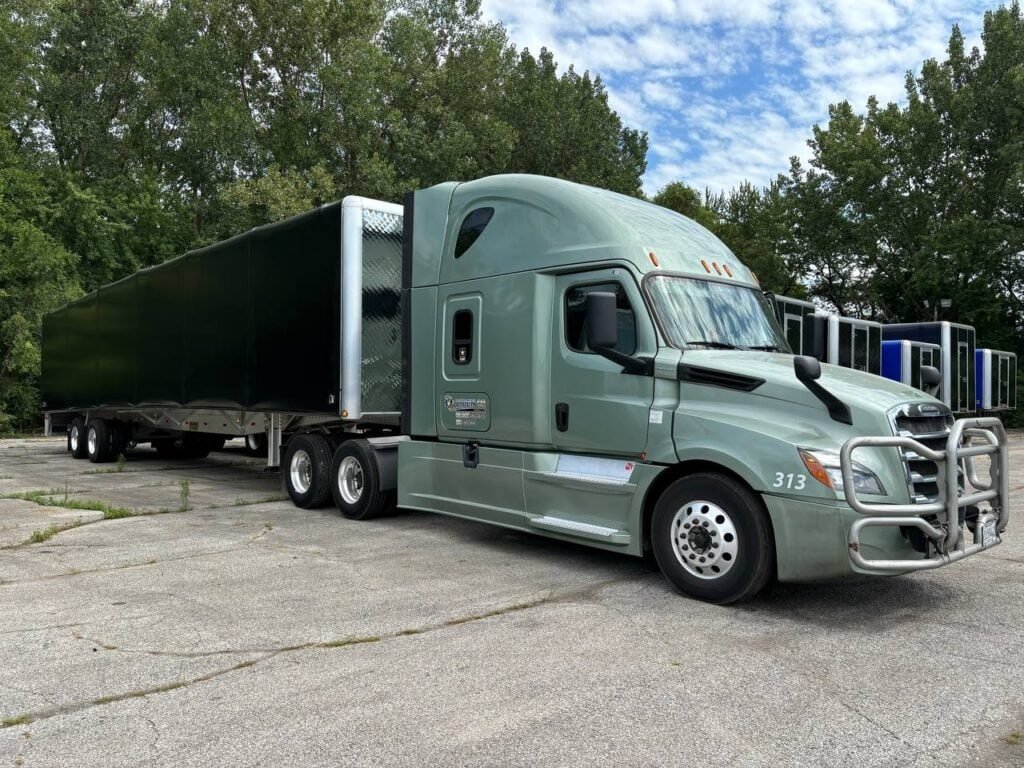
Flatbed trucking isn’t your average driving job. Unlike enclosed trailers, a flatbed leaves both the load and the driver exposed to the elements — and that brings a whole new set of safety challenges. If you’ve ever seen a flatbed rolling down the highway with steel beams, construction materials, or even farm equipment strapped to the deck, you know it’s a completely different type of responsibility.
One of the biggest risks flatbed CDL drivers face is load securement. A piece of heavy machinery, steel beams, or oversized lumber might look stable when tied down, but if it shifts on the highway, the consequences can be serious. Even a small mistake in securing cargo can lead to accidents, delays, injuries, or costly damage. That’s why federal regulations are so strict when it comes to flatbed load securement — and why drivers must be diligent every single time they prepare for a trip.
Another unique challenge is exposure. With flatbeds, freight isn’t protected by walls or a roof. That means drivers have to be extra careful when dealing with high winds, rain, snow, and icy conditions. A sudden gust can loosen a tarp, heavy rain can reduce visibility while you’re checking straps, and icy decks can turn a routine walk-around into a slip hazard. Add in the physical demands of climbing onto the trailer, lifting heavy tarps, and working at heights, and it’s clear why flatbed safety requires constant focus.
But here’s the good news: when you understand these risks, you can prepare for them. Knowing what makes flatbed trucking different gives drivers the confidence to do the job right — from double-checking securement to adjusting driving habits in bad weather. By staying alert and following proven safety practices, flatbed CDL drivers can keep themselves, their cargo, and everyone else on the road safe.
Pre-Trip Safety Checklist for Flatbed Drivers
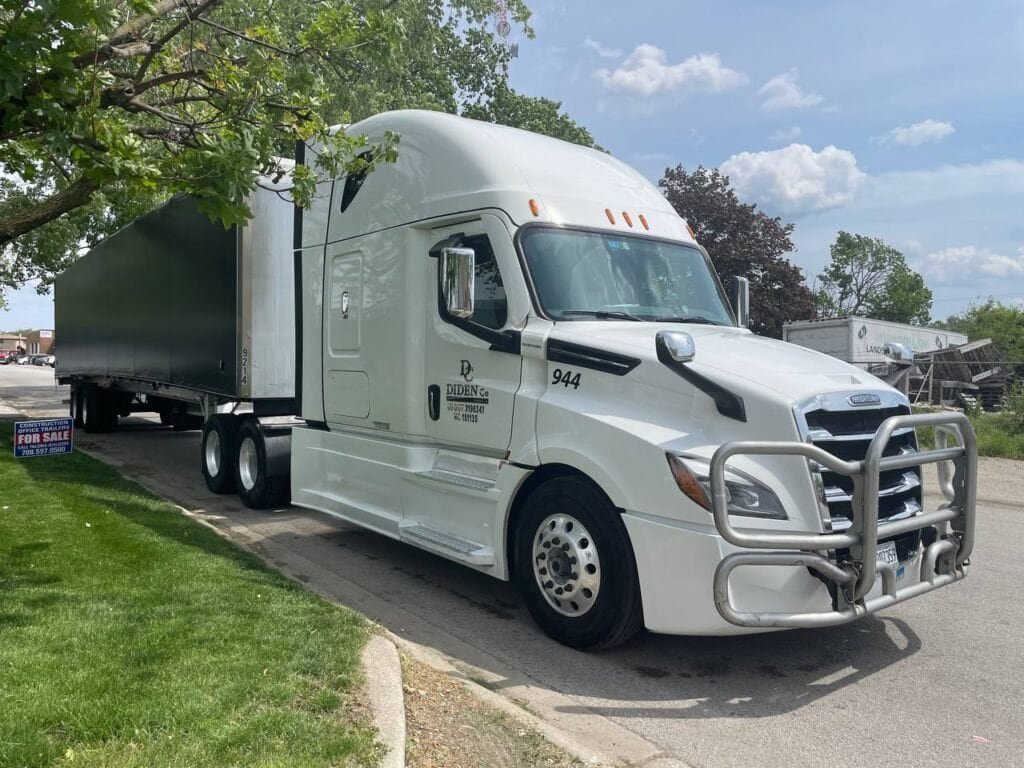
Before a flatbed CDL driver even turns the key, safety starts with a thorough pre-trip inspection. Skipping this step might save a few minutes in the morning, but it can cost hours — or worse, lives — down the road. A proper inspection not only keeps you compliant with DOT regulations but also gives you peace of mind that both you and your load are ready for the journey ahead.
Here’s what every flatbed driver should focus on before hitting the road:
Vehicle Condition
- Brakes and tires: Check for proper air pressure, tread depth, and any signs of wear. Faulty brakes or weak tires are among the most common causes of breakdowns.
- Lights and signals: Make sure headlights, taillights, brake lights, and turn signals are all working — especially important when hauling wide or oversized loads.
- Fluids and leaks: Engine oil, coolant, and hydraulic fluids should be topped up and leak-free.
Securement Equipment
- Straps and chains: Inspect for fraying, cracks, or weak spots. Replace any that don’t look reliable.
- Binders and winches: Ensure they are operating smoothly without damage.
- Edge protectors: Have them ready to prevent straps from cutting into cargo and to keep your equipment in compliance.
Safety Gear
- Tarps: Make sure they are free of holes or tears and properly folded for easy handling.
- Personal protective equipment (PPE): Gloves, steel-toe boots, safety glasses, and a high-visibility vest aren’t optional — they are essential.
Final Walk-Around
- After everything is checked and secured, take a final slow walk around your truck and trailer. Look for anything out of place, loose, or unsafe before pulling away.
Flatbed trucking is all about preparation. A 10–15 minute pre-trip safety check can prevent hours of downtime, costly citations, and serious accidents. Think of it as an investment: every minute spent on inspection is a minute spent protecting yourself, your cargo, and the people you share the road with.
Load Securement Best Practices
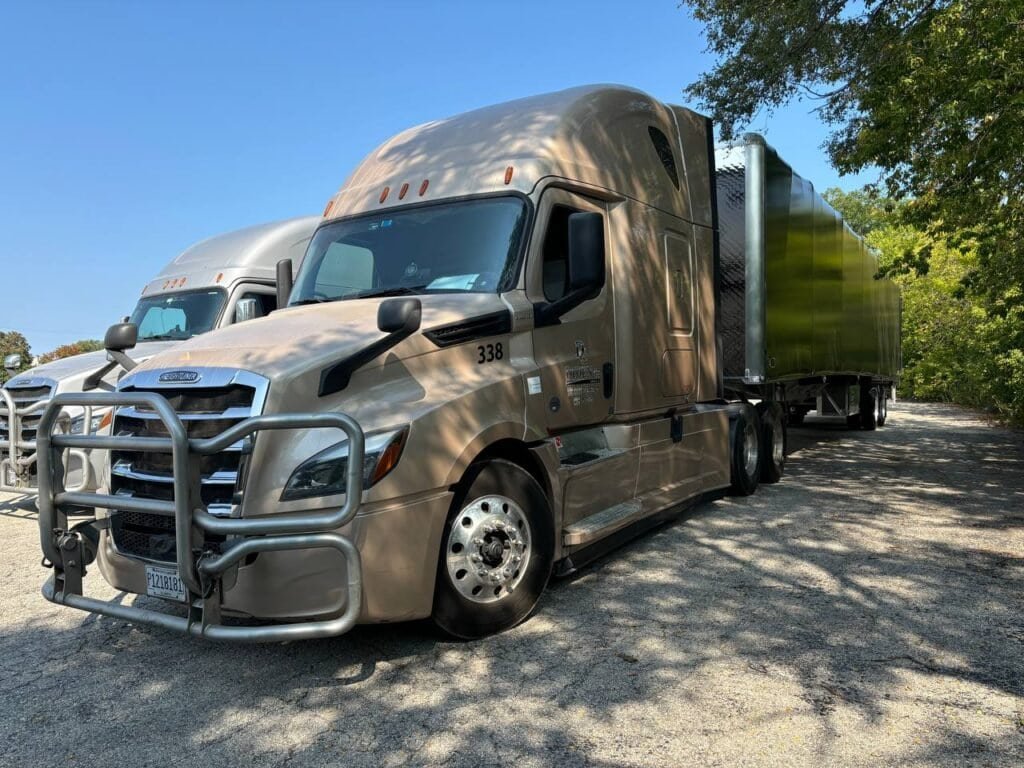
For flatbed CDL drivers, safe hauling begins and ends with proper load securement. Unlike enclosed trailers, where freight is naturally contained, a flatbed load is fully exposed. That means it is the driver’s responsibility to make sure every strap, chain, and binder is correctly in place before pulling onto the highway. Failing to secure cargo properly doesn’t just risk fines — it can cause dangerous accidents that put lives at stake.
Know the Rules
The Federal Motor Carrier Safety Administration (FMCSA) has strict guidelines for load securement, including how many tie-downs are required based on cargo length, weight, and type. Familiarizing yourself with these rules ensures compliance and reduces liability. A quick review before every haul can make the difference between a safe trip and a costly violation.
Use the Right Equipment
- Straps: Ideal for lighter cargo like lumber or pallets. Inspect for cuts or frays before each trip.
- Chains and binders: Necessary for heavy machinery, steel, or oversized freight. Always check for cracks or wear.
- Edge protectors: Prevent straps from being damaged and help distribute pressure evenly across cargo.
The 50-Mile Rule
Even when a load looks perfectly secured, vibrations from the road can loosen straps and chains. Regulations require drivers to stop and re-check their securement within the first 50 miles of a trip. After that, inspections should continue every 150 miles or every three hours of driving, whichever comes first.
Develop a System
Experienced flatbed drivers often follow a personal routine for securement — walking the trailer from one end to the other in the same order every time. A consistent process helps prevent missed steps and builds muscle memory.
Don’t Cut Corners
It can be tempting to save time by using fewer straps or skipping a re-check, but in flatbed trucking, shortcuts are never worth the risk. Taking the extra five minutes to double-check securement could prevent hours of downtime, a damaged load, or worse, a serious accident.
Load securement is the backbone of flatbed safety. By using the right tools, following regulations, and sticking to a disciplined routine, drivers not only protect their cargo but also build a reputation as reliable professionals in the industry.
Tarping Safety: Protecting Yourself and Your Cargo
For many flatbed CDL drivers, tarping is one of the most physically demanding — and dangerous — parts of the job. While tarps are essential for protecting freight from weather, debris, and road grime, they can also be a leading cause of driver injuries. Slips, falls, and strains often happen during tarping, especially in poor weather conditions or when heavy tarps are being handled incorrectly. That’s why tarping safety deserves as much attention as driving habits and load securement.
Understand the Risks
Tarping typically requires climbing onto the trailer and working at heights, sometimes on slick or uneven surfaces. A single misstep can lead to serious injuries. Wind is another major factor — a tarp can act like a sail, pulling drivers off balance if they are not careful.
Work on Safe Ground Whenever Possible
Whenever you can, tarp on flat, stable ground instead of trying to cover a load while standing on the trailer. Many facilities have designated tarping stations with overhead equipment that allows drivers to tarp loads more safely. Taking advantage of these resources reduces risk and makes the job faster.
Use Proper Equipment and Techniques
- Choose lightweight tarps when possible to reduce strain.
- Always roll, fold, or position tarps on the ground before lifting them.
- Secure one end first, then work your way systematically across the load rather than trying to cover everything at once.
Dress for Safety
Wearing gloves, steel-toe boots, and a high-visibility vest can make tarping safer and more manageable. In winter, non-slip footwear is especially important to prevent falls on icy trailer decks.
Know When to Ask for Help
There are times when a load is too large, the weather is too severe, or the equipment is too heavy to safely tarp alone. Asking for assistance or waiting for safer conditions is always a smarter choice than risking injury.
Tarping is tough work, but by following safe practices, drivers can protect both their freight and themselves. A well-secured tarp not only shields cargo from damage but also signals professionalism and care — qualities that set great flatbed drivers apart from the rest.
Weather-Related Safety Precautions
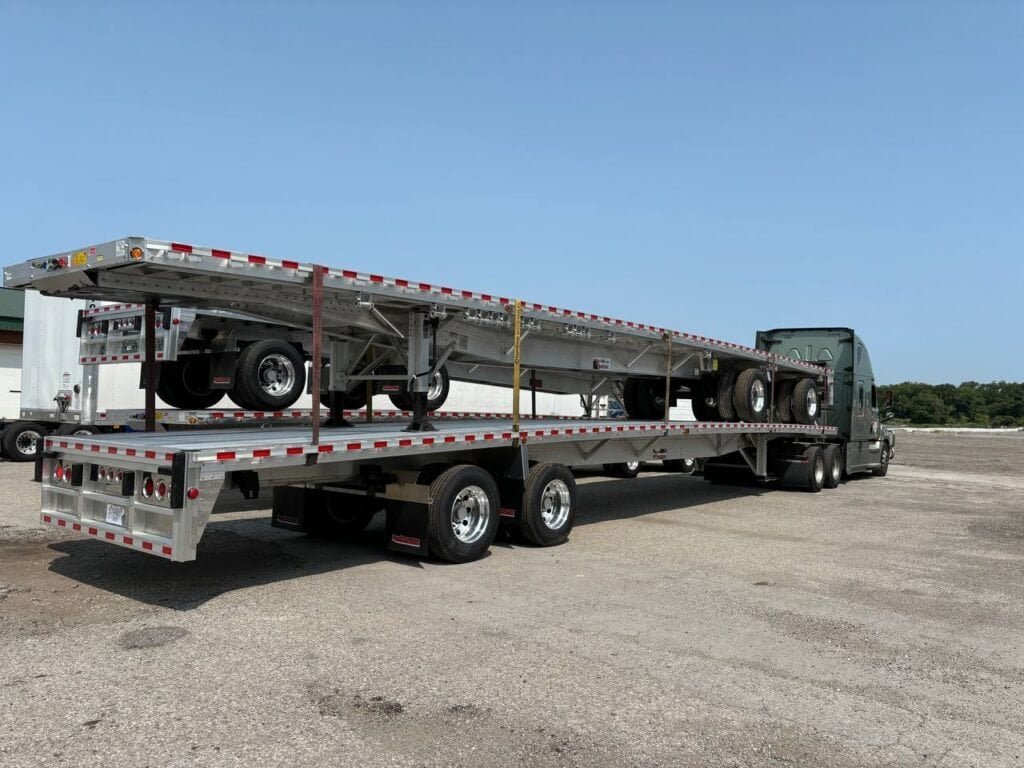
Flatbed CDL drivers don’t just deal with the weight and size of their loads — they also face the challenge of hauling freight that is fully exposed to the elements. Rain, snow, ice, wind, and extreme heat can all affect how a load is secured, how a driver works on the trailer, and how the truck handles on the road. Being prepared for changing conditions is one of the most important parts of staying safe behind the wheel.
Rain and Wet Conditions
Rain reduces visibility and creates slick surfaces on trailer decks. When checking straps or climbing onto the trailer, drivers must move slowly and carefully to avoid slips. Water can also loosen straps and chains over time, making mid-trip inspections even more critical during long drives in wet weather.
Snow and Ice
Winter driving brings unique challenges for flatbed drivers. Ice buildup can make trailer decks dangerously slippery, while snow can hide securement points and make inspections difficult. Always clear snow and ice before climbing onto the trailer, and use extra caution when handling equipment in freezing conditions. Driving habits also matter — reducing speed, increasing following distance, and braking gradually all reduce the risk of accidents.
High Winds
A strong gust of wind can easily loosen or damage tarps, especially on oversized loads. It can also create instability while tarping or securing cargo. Drivers should avoid standing on top of a load in windy conditions and, if necessary, wait for safer conditions before completing securement.
Extreme Heat
Hot weather poses its own risks. Straps and tarps can become more brittle when exposed to high heat over long periods, and drivers themselves face the danger of dehydration or heat exhaustion. Carrying plenty of water, taking breaks in shaded areas, and wearing breathable clothing can help prevent heat-related health issues.
Plan Ahead with Weather Monitoring
Checking the weather forecast before and during a trip gives drivers the chance to prepare for conditions in advance. Mobile apps and onboard technology can provide alerts about storms, wind advisories, or icy roads, allowing drivers to adjust routes or schedules as needed.
Weather is unpredictable, but preparation and awareness go a long way. By understanding how different conditions affect both the load and the driver, flatbed CDL drivers can make smarter decisions on the road — protecting themselves, their cargo, and everyone they share the highway with.
Conclusion
Flatbed trucking is one of the most demanding jobs in the transportation industry, but it’s also one of the most rewarding. From load securement to tarping and from pre-trip inspections to driving through tough weather, every step of the job requires focus, preparation, and discipline. By applying these essential safety tips every flatbed CDL driver should know, drivers can not only protect themselves and their cargo but also build a reputation for professionalism and reliability.
At the end of the day, safety is more than compliance — it’s a commitment. The best flatbed drivers are the ones who treat every haul with the same care, no matter how routine it may seem. That mindset keeps freight moving, roads safer, and careers long-lasting.
If you’re a CDL driver looking to take your skills to the next level — or if you’re considering a future in flatbed trucking — remember: success begins with safety.